Men’s haircuts have evolved with countless variations in fade styles that offer sharp, stylish looks. Among these, the skin fade and taper fade stand out as two of the most sought-after options in barbershops today. Understanding their distinct characteristics empowers you to choose the perfect masculine style that suits your hair type, lifestyle, and desired level of boldness. Whether you're exploring modern fade styles, classic cuts, or something in between, knowing the difference between a skin fade and a taper fade is key to requesting the right haircut and maintaining it with confidence.
What is a skin fade haircut?
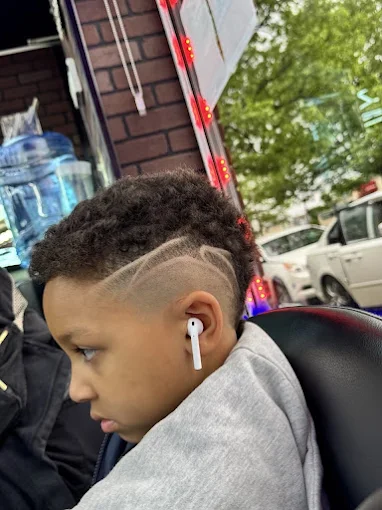
A skin fade haircut, often referred to as a bald fade or clipper fade, is all about precision and sharp contrasts. It features very short sides and back shaved down to the skin, gradually blending into longer hair on top. This fade can start at different heights — low, mid, or high — depending on the barber’s technique and client preference. The defining element is the "zero" length at the base, giving the hairline and scalp a clean, crisp appearance.
Skin fades are highly popular among men who want a strong, masculine look that highlights the hairline and scalp. The fade transitions sharply from bare skin to longer hair, creating a striking visual effect that works well with various textured or styled tops like messy haircuts, comb overs, or textured styles. Variations such as the temple fade add even more detail around the sides.
- Variations include: low skin fade, mid skin fade, high skin fade, temple fade Creates a sharp, bold contrast enhancing the masculine style Commonly paired with textured, short sides and longer top hairstyles
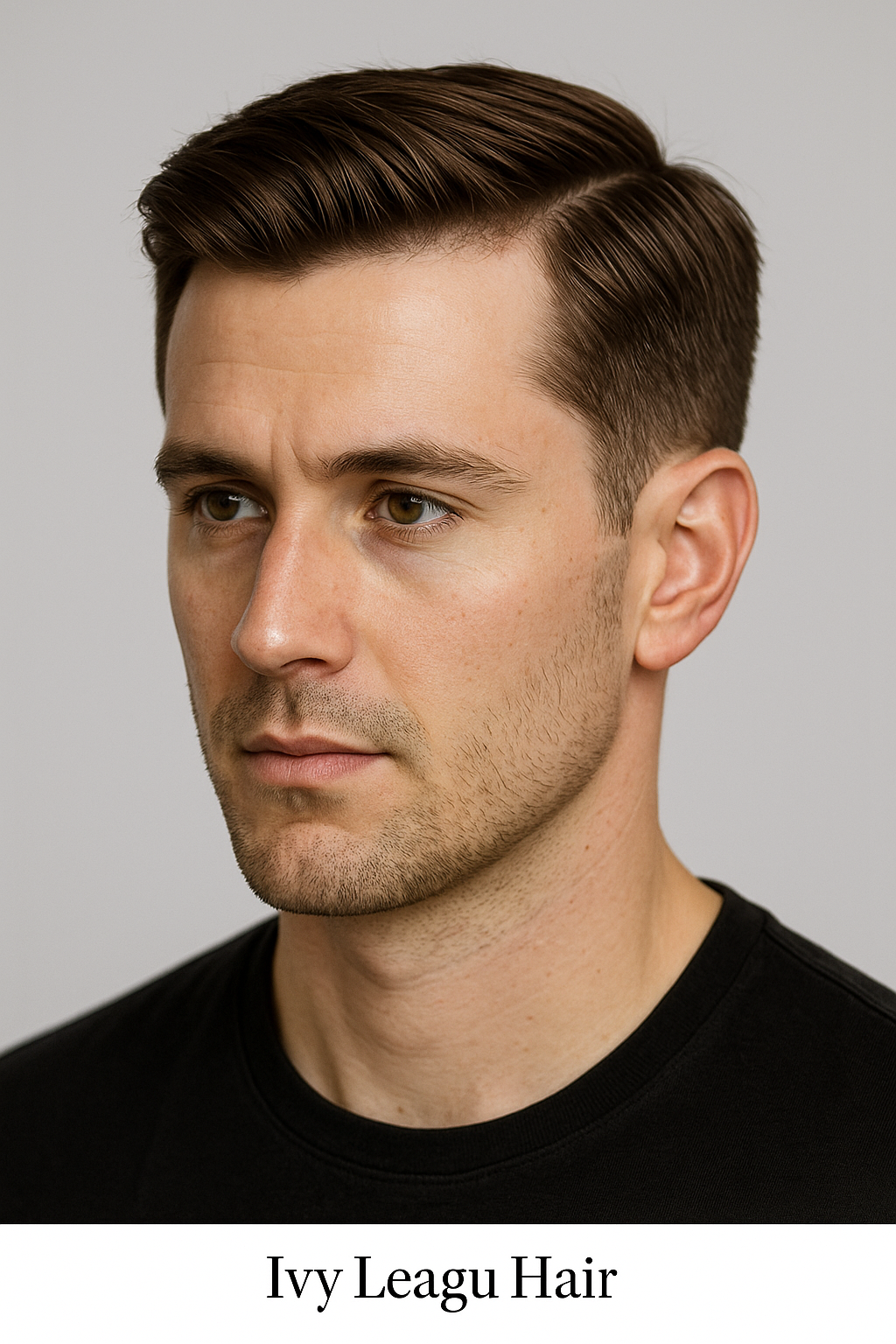
What is a taper fade haircut?
In contrast, a taper fade offers a gradual reduction in hair length near the hairline, neckline, and temples without shaving down to bare skin. Instead, the shortest part leaves a small amount of hair, creating a softer, blended transition. This style is often called a blended fade or soft fade and is ideal for men who prefer a neat but less edgy appearance.
The taper fade works beautifully for classic grooming styles, combining well with side parts, undercuts, or traditional hairstyles while maintaining coverage along the sides. It can be adapted to different heights—low taper, mid taper, or high taper—depending on how subtle or prominent you want the fade to appear.
- Key features: gradual hair tapering, soft fade, no skin exposure Best suited for conservative or professional environments Works well with curly, wavy, or fine hair textures
How do skin fades and taper fades differ in terms of fade technique and visual effect?
The core difference between skin fades and taper fades lies in the fade technique applied and the resulting visual impression.
- Fade Technique: Skin fades use hair clippers set at zero guard to shave the edges completely to the skin. Skilled barbers adjust clipper guards progressively to achieve a sharp gradient. Taper fades blend hair gradually by trimming with clippers or scissors, leaving a thin layer of hair without exposing the scalp. Visual Effect: Skin fades deliver a high-contrast, bold appearance with a visible bald area. This sharp fade instantly draws attention to the hairline and creates a very modern, edgy vibe. Taper fades provide a gentler transition, offering a natural, polished look that subtly enhances the hair shape without stark contrast. Maintenance: Skin fades require frequent upkeep (often every 1-2 weeks) to maintain the clean-shaven base and prevent fuzziness. Taper fades grow out more naturally and need trimming less often—typically every 3-4 weeks—to keep the shape tidy.
What are the common variations and combinations for skin fade and taper fade haircuts?
Both skin fades and taper fades come with multiple variations allowing customization based on personal style, hair texture, and face shape.
Skin Fade Variations
- Low skin fade: Starts just above the ears and neckline Mid skin fade: Fades begin halfway up the sides High skin fade: Begins near the temples for a dramatic contrast Drop fade: Curves behind the ear giving a natural drop effect Burst fade: Concentrates fading around the ear Shadow fade: A subtler fade that keeps some shadow of hair before skin
Taper Fade Variations
- Low, mid, and high taper fades adjusting the fade height Temple taper focusing on the sides near the forehead Nape taper strengthening the neckline Blended taper ensuring smooth transitions between hair lengths
Both styles can be combined with popular hair designs like disconnected undercuts, side parts, undercut fades, comb overs, or textured and messy tops to create a bespoke masculine hairstyle.
Which hair types and face shapes suit skin fades vs taper fades?
Choosing the right fade is often influenced by hair texture, face shape, and personal grooming goals.
- Skin fade: Best suited for thick, coarse, or straight hair that holds shape clearly. Its sharp lines complement angular, square, and oval face shapes, adding definition and masculinity. Men seeking a modern, fashion-forward haircut often opt for skin fades. Taper fade: Highly versatile for various hair textures including curly, wavy, and fine hair. Provides a soft outline that flatters round, heart-shaped, and oval faces. Ideal for those wanting a neat, professional look that is easy to maintain without the starkness of a bald fade.
How to maintain and style skin fade and taper fade haircuts?
Proper maintenance and styling elevate any fade haircut and ensure lasting impact.
Maintenance Tips
- Skin fade: Requires regular visits to the barbershop every 1-2 weeks for clean shaving down to the skin. Daily grooming involves gentle scalp care to avoid irritation. Taper fade: Can go slightly longer between trims, typically 3-4 weeks, as hair grows out cleanly with less pronounced edges.
Styling Tips
- Use pomade, hair wax, or gel to shape the longer top section, whether going for textured tops, comb overs, or messy styles. Fade areas usually don’t need intensive product application but can benefit from occasional texturizing with scissors or razor cuts to enhance the blend. Regular shampooing and conditioning helps maintain hair health and scalp cleanliness, especially important for skin fades exposing the scalp.
How to choose between skin fade and taper fade based on lifestyle and profession
If your profession requires a conservative appearance or you prefer subtle grooming, taper fades are dependable and understated, marrying professionalism with style.
Conversely, if you enjoy trends, bold statements, or work in creative industries or social environments valuing edgy looks, the skin fade highlights your style with sleek, masculine sharpness.
Barber shops frequently offer expert advice tailored to your daily routine, helping you pick a fade that fits your lifestyle seamlessly.
Popular celebrity examples wearing skin fade vs taper fade
Celebrities from athletes to actors favor these fades to make powerful style statements. Skin fades are seen on trendsetters who embrace modern and streetwear looks, while taper fades grace red carpets and formal events due to their elegant versatility.
Barber tips for requesting your desired fade haircut
When visiting your barber:
- Specify the fade height: low, mid, or high. Mention whether you want the fade down to the skin or a softer taper. Discuss your preferred top style (textured, comb-over, undercut). Bring photos to illustrate the exact look you want. Ask about maintenance and styling advice tailored to your hair type.
Impact of facial hair and beard styles with different fades
Fades pair excellently with beard trims and grooming. A skin fade accentuates the jawline and pairs well with full or sculpted beards for a balanced masculine aesthetic. Taper fades offer a softer frame, ideal for neatly trimmed or partial beards, https://www.nymasterbarbers.com/razor-cuts-franklin-square keeping the overall look cohesive and tidy.
Comparison Table: Skin Fade vs Taper Fade
Feature Skin Fade Taper Fade Fade Technique Clippers shaved to skin Clippers/scissors leave short hair Visual Effect Sharp, high-contrast bald area Soft, natural blended effect Maintenance Frequent (1-2 weeks) Less frequent (3-4 weeks) Best Hair Types Thick, coarse, straight All hair types, including curly Best Face Shapes Square, oval, angular Round, oval, heart-shaped Styling Products Pomade, gel, wax for textured top Pomade, wax, gel for versatile stylingFAQ Section
Q1: Can I get a skin fade if I have curly hair?
A1: Yes, but a skilled barber is essential to ensure clean lines and smooth blending. The contrast between shaved sides and curls on top creates a unique texture and style.
Q2: Which fades last longer without maintenance?
A2: Taper fades generally require less frequent touch-ups since they don’t shave entirely to the skin and grow out more naturally.
Q3: Are taper fades better for conservative workplaces?
A3: Absolutely. Taper fades offer a more subtle and professional appearance, making them suitable for workplace settings where sharp but understated grooming is preferred.
Q4: How soon after a skin fade should I wash my hair?
A4: It’s best to gently wash your hair 24 hours after a skin fade to allow the scalp to calm and reduce irritation risk.
Q5: Can I style both fade types with the same products?
A5: Generally, yes. Pomades, gels, and waxes work efficiently for styling the longer top section on both fades. Choose products based on your hair texture and the finish you want.
Choosing between a skin fade and taper fade haircut ultimately comes down to your personal style, hair type, and maintenance preferences. Both offer distinctive masculine aesthetics that can be customized with countless variations and paired with trendy grooming techniques. Next time you visit your barber or barbershop, you'll be equipped with the knowledge to confidently request your preferred fade style and keep it looking sharp with proper care and styling.